
How Many Days Should You Strength Train During Perimenopause? (Science-Backed Answer)
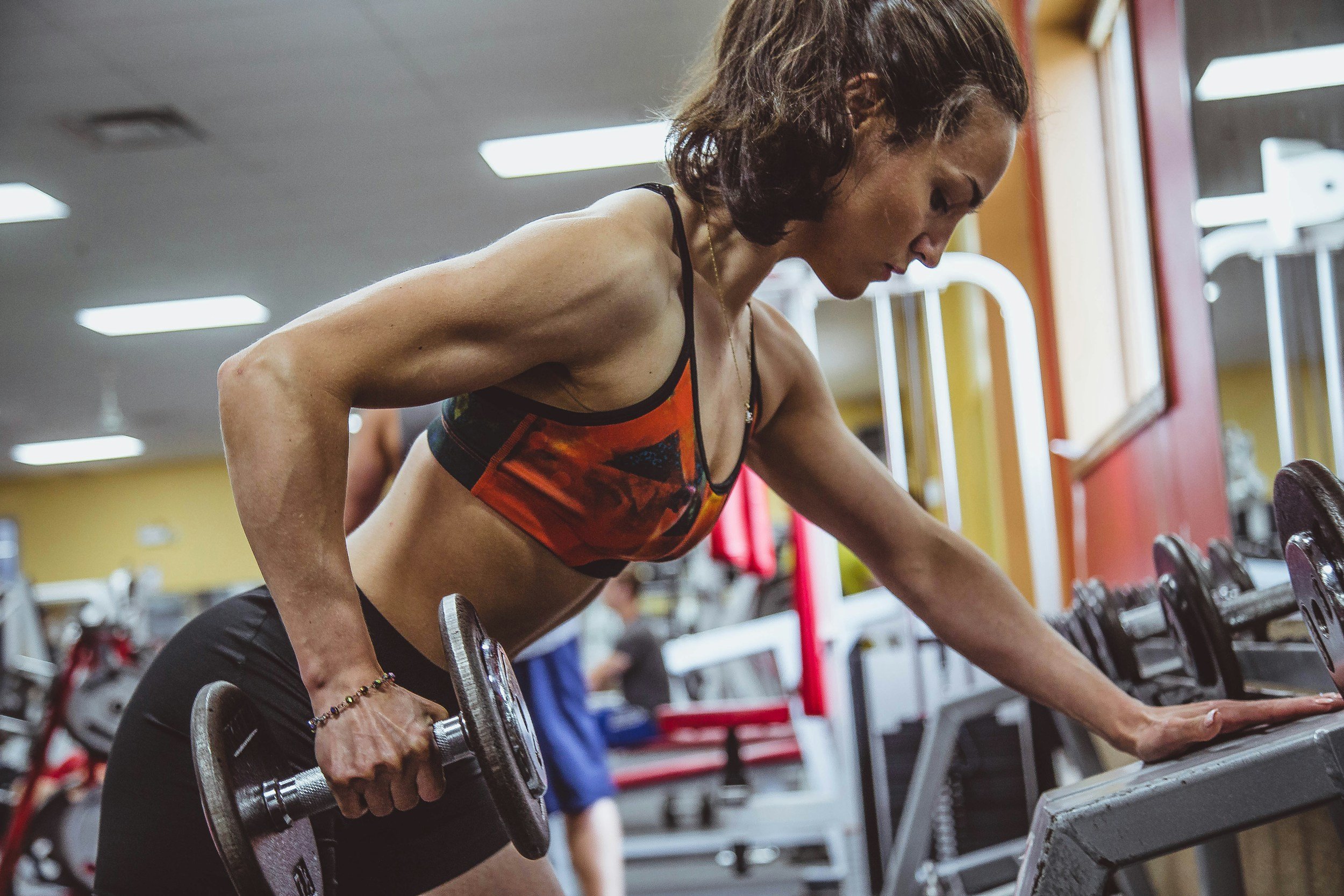
If you've been wondering how many days you should strength train during perimenopause, you're not alone.
Maybe you've heard that strength training is one of the best things you can do during midlife, but then you scroll through social media and see one expert saying you should lift weights six days a week while another says walking is enough.
No wonder you're confused.
The good news? You don't need to spend hours in the gym to see results.
For most women, 2–4 strength-training sessions per week is the ideal range, with 3 full-body workouts each week being a great goal for building muscle, supporting your metabolism, improving bone health, and helping you age strong.
The key isn't doing more.
It's doing the right amount consistently.
But before we talk about workout schedules, there's something important to understand.
Strength training isn't just about building muscle.
During perimenopause, your body is changing in ways that affect your energy, recovery, metabolism, hormones, and even how your body responds to exercise. While strength training is one of the best investments you can make in your health, it's only one piece of the puzzle.
What you eat, how you sleep, how you manage stress, and the habits you build every day all work together to determine how you feel.
That's why I always encourage women to take a step back and look at the bigger picture instead of searching for one magic solution. If you're just beginning your perimenopause journey, I recommend starting with my article, "7 Things Every Woman Should Be Doing During Perimenopause." It walks through the foundational habits I recommend to every woman before worrying about the "perfect" workout plan.
The goal isn't to copy someone else's routine.
The goal is to build one that supports your body during this stage of life.
If you've been feeling overwhelmed, depleted, or unsure where to focus first, I created a free 30-second quiz to help. "What Does Your Body Need in Perimenopause?" is a quiz to discover what your body may need more of during this time. Instead of trying to fix everything at once, you'll have a clearer understanding of where to begin.
Now let's look at why strength training deserves a permanent place in your weekly routine.
Why Strength Training Matters More Than Ever During Perimenopause
One of the biggest changes that happens during perimenopause isn't just hormonal it's muscular.
Beginning in our 30s, women naturally begin losing muscle mass, and that process accelerates as estrogen declines. At the same time, many women notice they're gaining weight more easily, their metabolism feels slower, their joints feel achier, and they're simply not as strong as they used to be.
The encouraging news?
Strength training is one of the most effective tools we have to help slow—or even reverse—many of these changes.
Strength training can help:
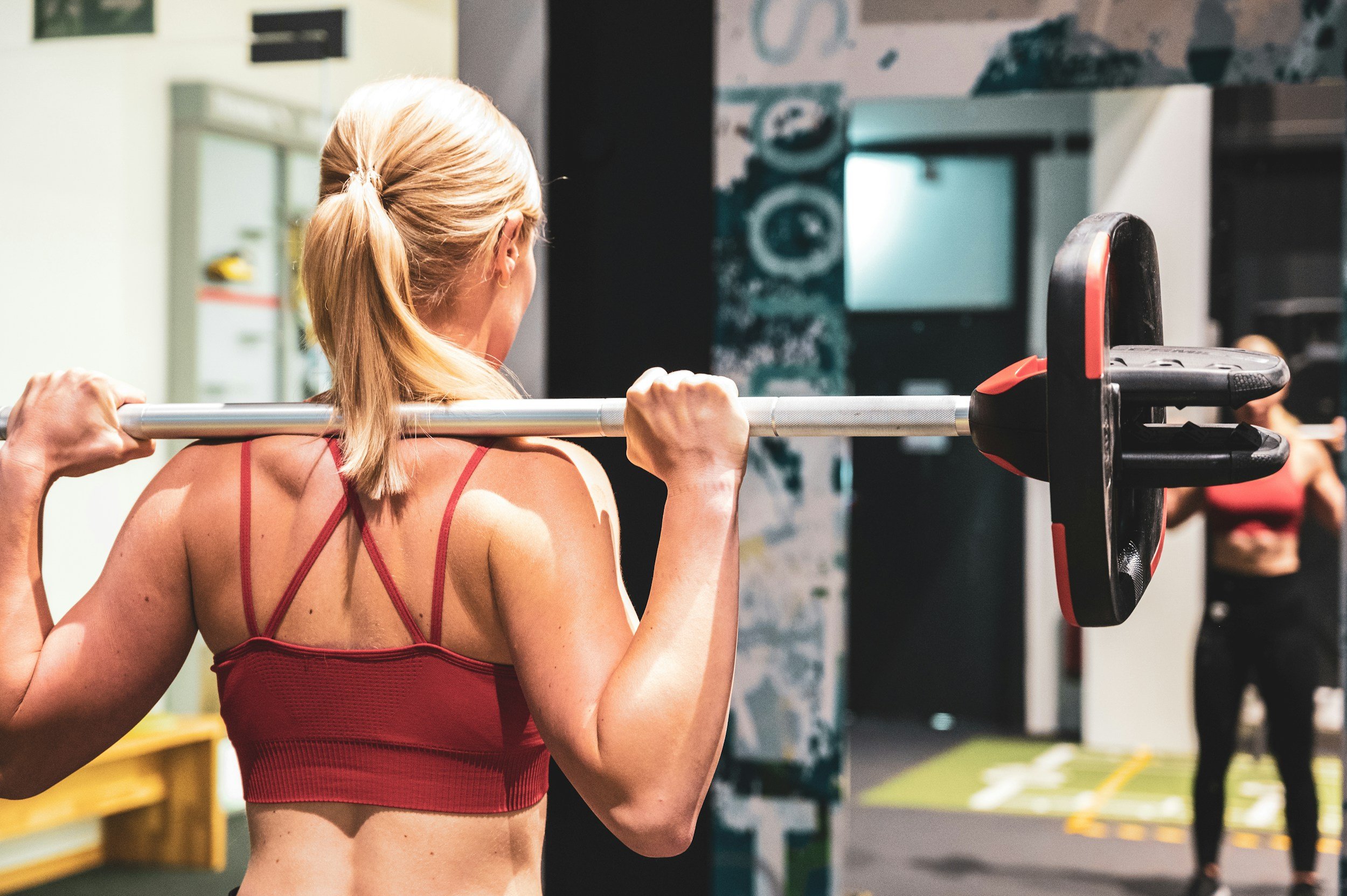
Preserve lean muscle
Support a healthy metabolism
Improve bone density
Increase strength
Improve insulin sensitivity
Enhance balance and stability
Increase energy
Support healthy aging
I often tell women to think of muscle as their retirement account.
Every workout is a deposit you're making into your future health.
The muscle you build today helps you stay independent, active, and healthy for years to come.
🩺 Dr. Jaime's Perspective
I don't want women to strength train because they're trying to look a certain way.
I want them to strength train because muscle is one of the greatest predictors of healthy aging. It's one of the best gifts you can give your future self.
So...How Many Days Should You Strength Train?
For most women, 2–4 days per week is the sweet spot.
Exactly where you fall within that range depends on your fitness level, recovery, schedule, and experience.
If You're New to Strength Training
Start with 2 days each week.
Two full-body workouts are enough to build a strong foundation without feeling overwhelmed.
Focus on mastering movement patterns like:
Squats
Rows
Chest presses
Deadlifts
Overhead presses
Don't worry about lifting the heaviest weights.
Right now, consistency matters far more than intensity.
A workout plan you can stick with will always outperform the "perfect" plan you quit after two weeks.
If You've Been Exercising Consistently
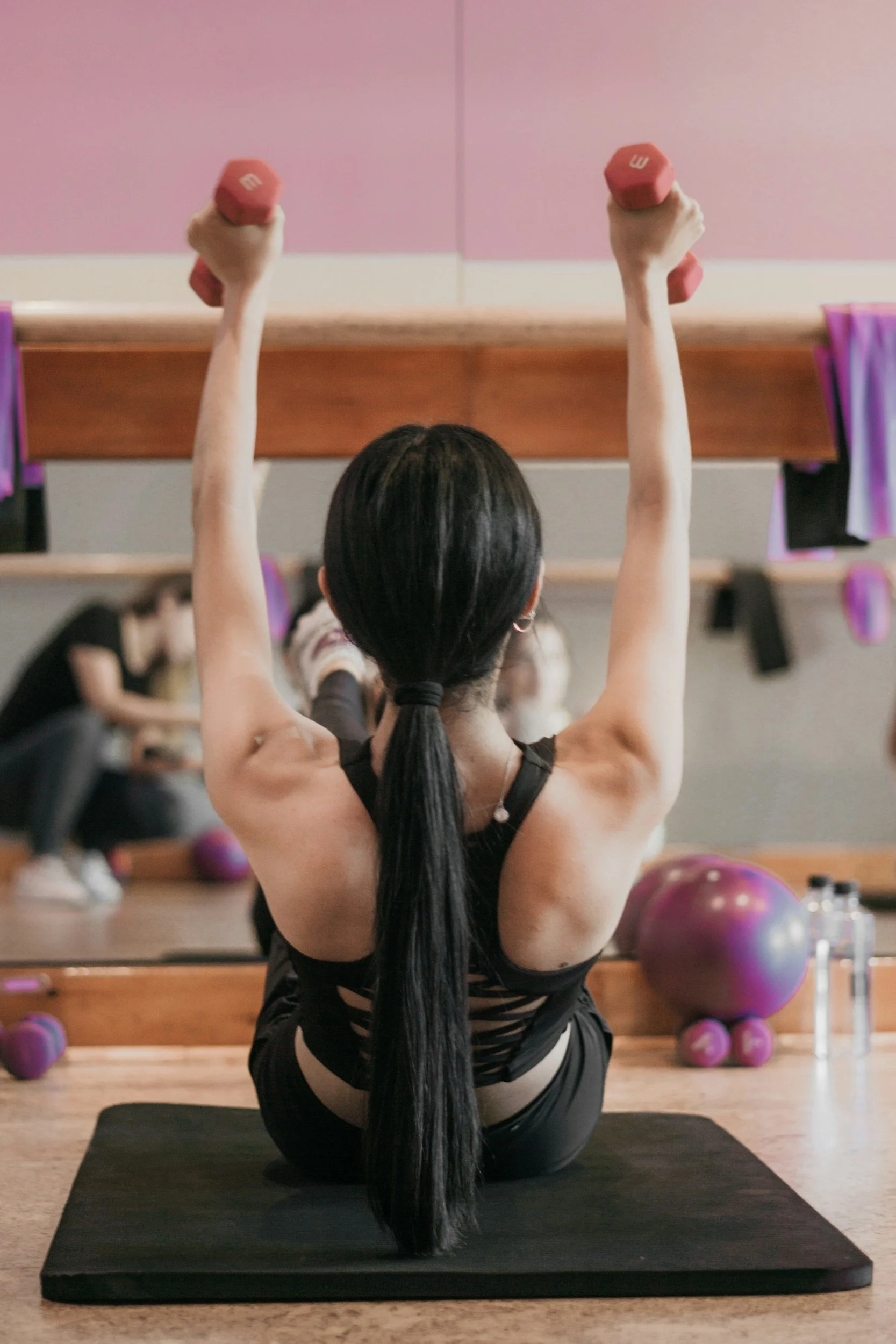
For many women, 3 strength-training sessions per week is the sweet spot.
A simple schedule might look like this:
Monday: Full Body
Wednesday: Full Body
Friday: Full Body
On your other days, focus on movement that supports recovery.
That might include:
Walking
Stretching
Yoga
Mobility work
Remember...
Recovery isn't taking time away from your progress.
Recovery is part of your progress.
If You're More Experienced
If you've been lifting consistently for several months or years, 4 days per week can be a great option.
Many women enjoy an upper-body/lower-body split.
For example:
Monday: Upper Body
Tuesday: Lower Body
Thursday: Upper Body
Friday: Lower Body
This allows you to train more frequently while still giving each muscle group enough time to recover.
💡 Dr. Jaime's Tip
One of the biggest mistakes I see women make is believing they need to work out harder and longer to overcome perimenopause.
Your body doesn't need punishment.
It needs consistency.
Three quality workouts every week for a year will almost always produce better results than an unrealistic six-day routine that leaves you exhausted.
Don't Overlook Recovery

Here's something many women don't realize:
You don't get stronger during your workout.
You get stronger after your workout.
Strength training creates the stimulus.
Recovery is when your body repairs muscle, adapts, and becomes stronger.
That means getting enough sleep.
Eating enough protein.
Managing stress.
Staying hydrated.
Allowing your muscles time to recover before training them again.
Many women become frustrated because they're exercising consistently but still feel exhausted.
Often, the missing piece isn't another workout.
It's giving your body the support it needs to recover.
Supporting yourself during perimenopause goes far beyond exercise. If you've ever wondered what that actually looks like, I dive deeper into simple, science-backed strategies in my article, "How to Support Yourself During Perimenopause."It's filled with practical habits that work alongside strength training to help you feel your best.
What About Sleep?
If you've ever felt like your workouts aren't paying off because you're constantly exhausted, sleep may be the missing piece.
One of the most common complaints I hear from women is:
"I keep waking up around 3 AM and can't fall back asleep."
You're not imagining it.
Hormonal changes during perimenopause can significantly affect sleep quality, and poor sleep makes it much harder for your muscles to recover, regulate hunger hormones, maintain energy, and stay motivated to exercise.
If waking up at 3 AM has become your new normal, I explain why it happens and what you can do about it in my article, "Why You Keep Waking Up at 3 AM During Perimenopause."
Is Cardio Still Important?

Absolutely.
Cardio supports heart health, endurance, and overall wellness.
But many women spend hours doing cardio while neglecting strength training.
A balanced week might look like this:
3 strength-training workouts
2–4 walks
1–2 cardio sessions
Daily stretching or mobility work
Walking, cycling, swimming, and other forms of cardio all have tremendous benefits.
But during perimenopause, strength training deserves a bigger seat at the table because of the unique changes happening inside your body.
Progress Doesn't Always Look Like the Scale
One of the biggest mindset shifts I encourage women to make is to stop measuring success only by the number on the scale.
Progress can also look like:
Carrying groceries more easily
Walking upstairs without getting winded
Feeling stronger during everyday activities
Sleeping better
Having more energy
Feeling more confident
Lifting heavier than you did last month
Those victories matter.
They're signs your body is becoming healthier and stronger.
Celebrate them.
The Bottom Line
If you're wondering how many days you should strength train during perimenopause, here's the answer:
Aim for 2–4 sessions each week, with 3 days being an excellent goal for most women.
Pair those workouts with regular movement, quality sleep, good nutrition, stress management, and adequate recovery, and you'll be giving your body exactly what it needs to thrive during this stage of life.
Remember...
Strength training isn't just about building muscle.
It's about building a healthier, stronger, more capable body that will carry you through the decades ahead.
Your Next Step

You don't have to figure this out on your own.
If you've been trying to piece together advice from Google, Instagram, and social media, it can feel overwhelming to know where to start.
That's exactly why I created my free 30-second "What Does Your Body Need in Perimenopause?"quiz.
Instead of guessing, you'll discover what your body needs more of giving you a personalized place to begin.
👉 Take the FREE Quiz and discover what your body needs today.
Because when you stop guessing and start supporting your body in the way it needs most, everything else becomes a little clearer.

Hi I’m Dr. Jaime Lynne
A women’s health advocate and educator passionate about helping women navigate the confusing and often overlooked journey of perimenopause. Through my work and resources, I empower women to recognize their symptoms, speak up, and get the care they deserve.
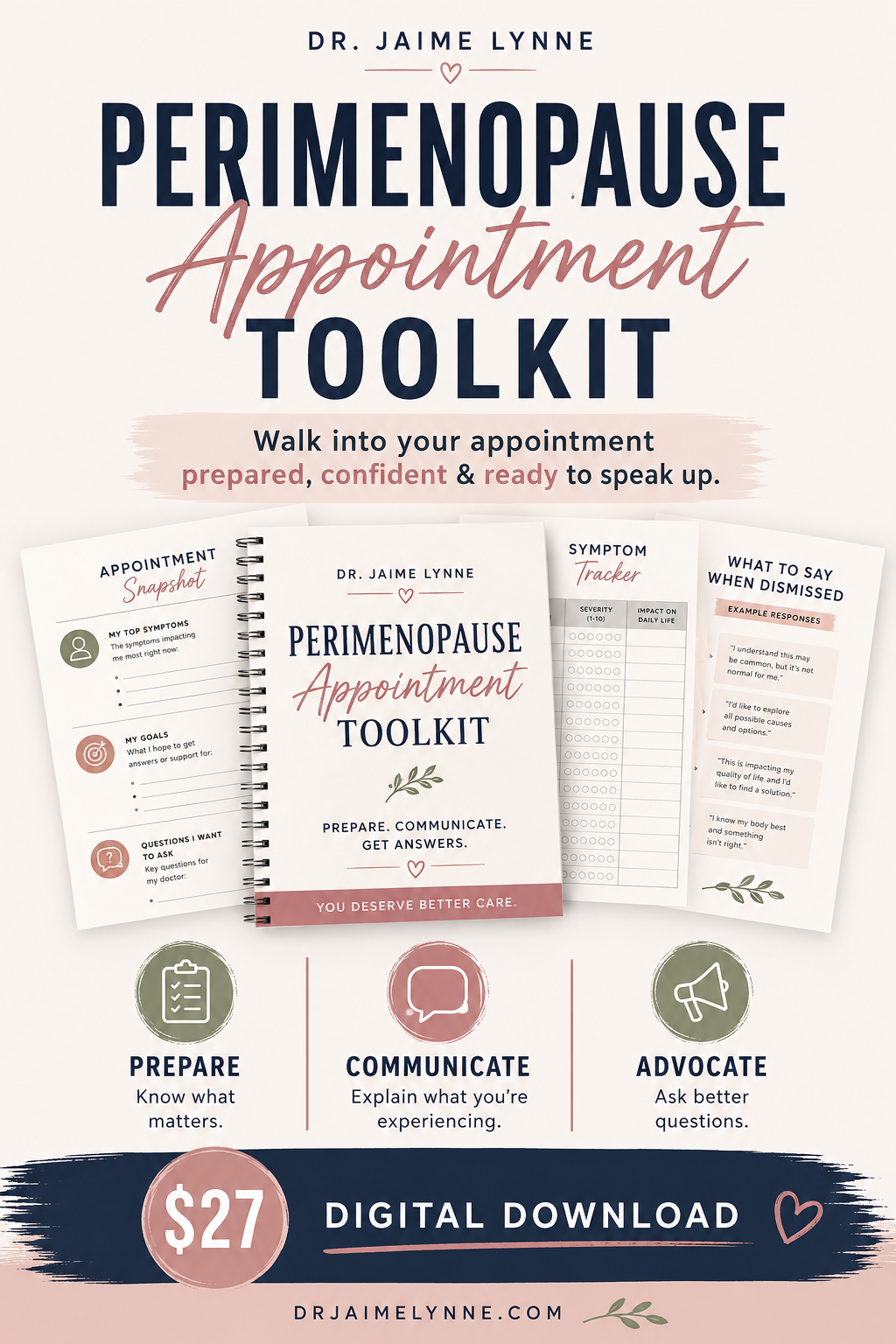
A practical, step-by-step toolkit to help you prepare for your appointment, communicate your symptoms clearly, ask the right questions, and leave feeling heard with a plan for what comes next.