
9 Simple Healthy Habits for Women Over 40 (Even When You're Exhausted)
You know what you're supposed to be doing.
Exercise more. Eat more protein. Drink your water. Get better sleep. Manage your stress.
We've heard it all.
But here's what no one seems to talk about.
How are you supposed to do all of that when you're navigating perimenopause, waking up at 3 a.m., feeling anxious for no reason, and barely have the energy to get through your day?
Because when your motivation is in the toilet, the last thing you need is another wellness routine that feels like a part-time job.
Here's something I wish more women understood: You don't have to overhaul your entire life to start improving your health.
Sometimes the smallest changes, repeated consistently, can make a meaningful difference over time.
And some are so simple you can do them while you're already doing something else.
9 Tiny Healthy Habits to Try This Week
Don't worry, you don't have to do all nine. In fact, I'd rather you pick just one.
Brush your teeth: Do 10 calf raises while you're brushing.
Before bed: Floss your teeth, even if you start with just one.
During red light therapy: Practice 10 minutes of slow breathing or meditation.
At breakfast: Add 2 tablespoons of hemp hearts for about 6 extra grams of protein.
After dinner: Take a 5-minute walk to help manage blood sugar.
Before your morning coffee: Drink one glass of water.
While your coffee brews: Practice balancing on each leg for 15 seconds.
Before bed: Spend 2 minutes tracking your perimenopause symptoms.
Before watching TV: Do 5 sit-to-stands to work your leg muscles.
Simple, right?
Now, here's WHY these little habits are worth trying.
1. Do 10 Calf Raises While Brushing Your Teeth
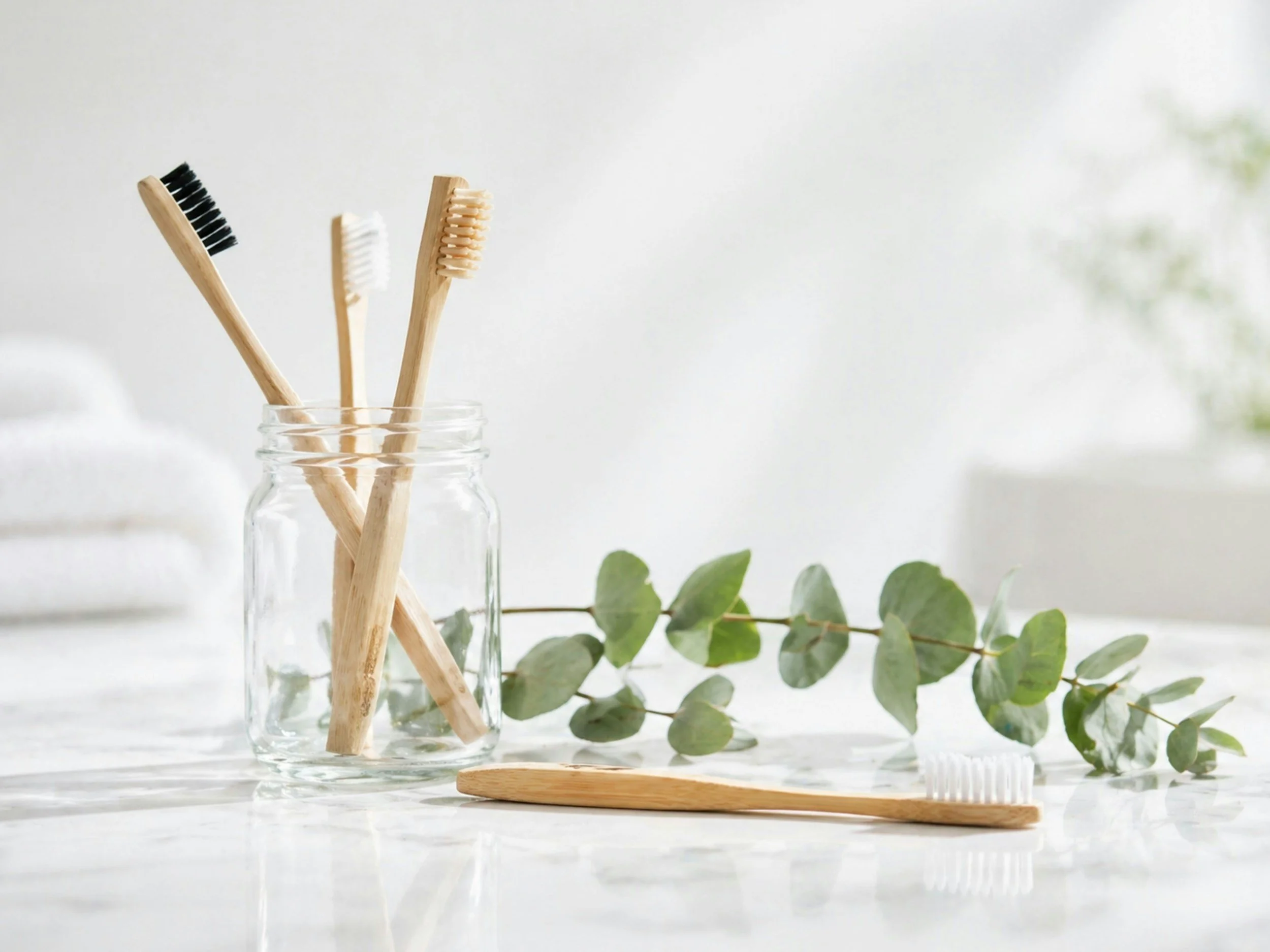
You're already standing there for two minutes. Why not put that time to good use?
Slowly rise onto your toes, pause, and lower back down. Repeat 10 times, holding the counter for support if needed.
Why it matters: Your calf muscles help support walking, balance, ankle strength, and circulation in your lower legs. Maintaining muscle strength becomes increasingly important as we age.
Will 10 calf raises replace strength training? Of course not. But it's a small way to incorporate movement without finding extra time.
Want to take it further? If you're wondering how often you should actually be strength training in your 40s and 50s, read my blog on How many days your should be strength training.
2. Floss Your Teeth (Even If You Start With Just One)
I know. Not exactly the most exciting wellness advice.
But here's why I love this one.
Flossing helps remove plaque between your teeth, reducing your risk of gum disease. And research has found a connection between periodontal disease and cardiovascular disease, although flossing itself hasn't been proven to prevent heart disease.
So yes, taking care of your gums is part of taking care of your overall health.
Try this: Leave floss picks beside your toothbrush. If flossing every tooth feels like too much, start with one and build toward flossing your entire mouth daily.
3. Meditate During Your Red Light Therapy Session
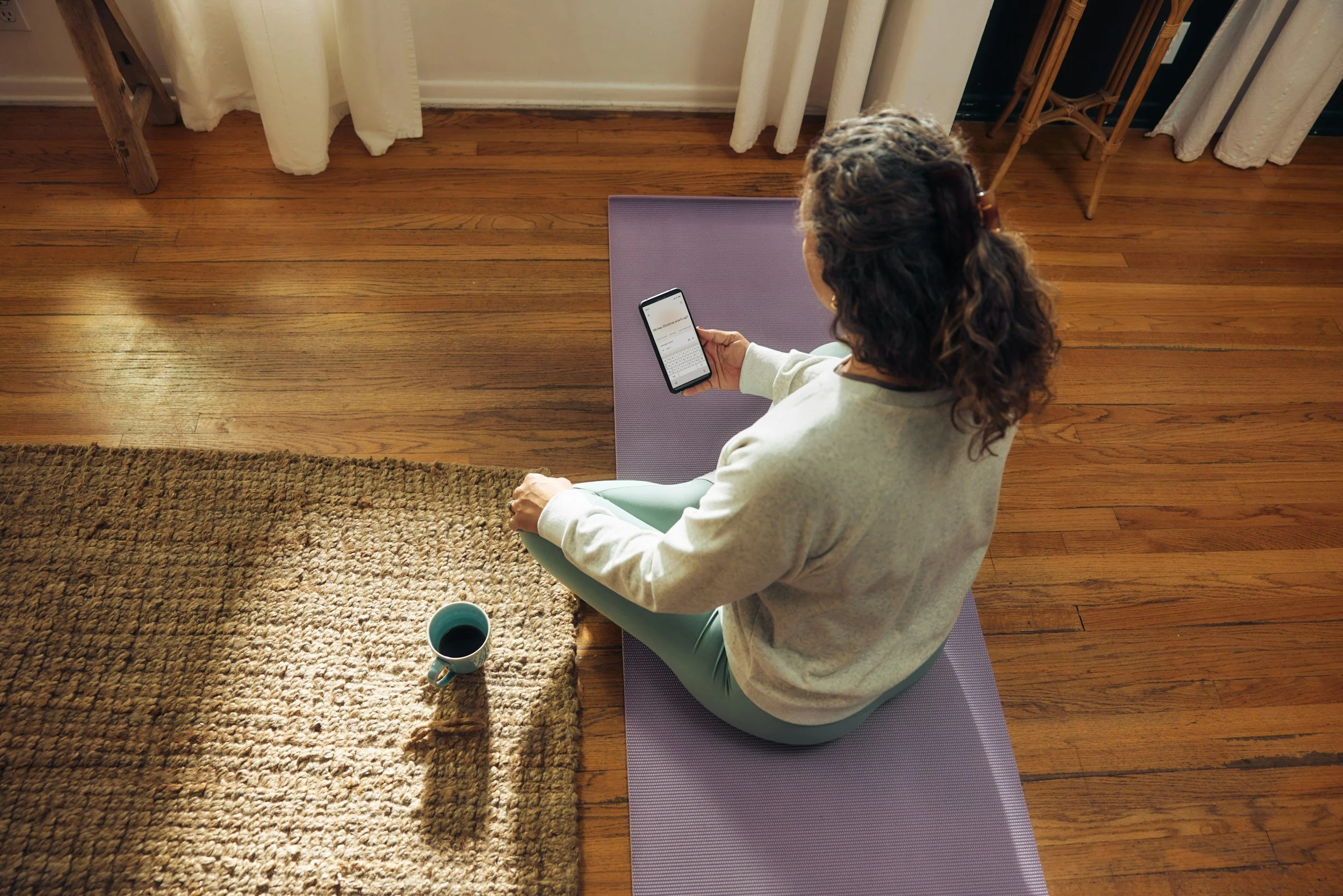
If you're already spending 10 minutes using red light therapy, why not use that time to quiet your mind instead of scrolling?
Try breathing in for four seconds and slowly out for six, or listen to a short guided meditation. Follow your device's eye-safety instructions.
Why it matters: Slow breathing and mindfulness practices may help reduce stress and promote relaxation.
And let's face it, when perimenopause has you feeling anxious, irritable, or constantly on edge, finding even a few moments to relax can feel like a win.
Don't use red light therapy? Try this while waiting in your parked car before heading into work or while lying in bed.
4. Add Two Tablespoons of Hemp Hearts to Breakfast
Everyone keeps telling women in midlife to eat more protein.
Okay, great. But HOW?
Here's one ridiculously easy way.
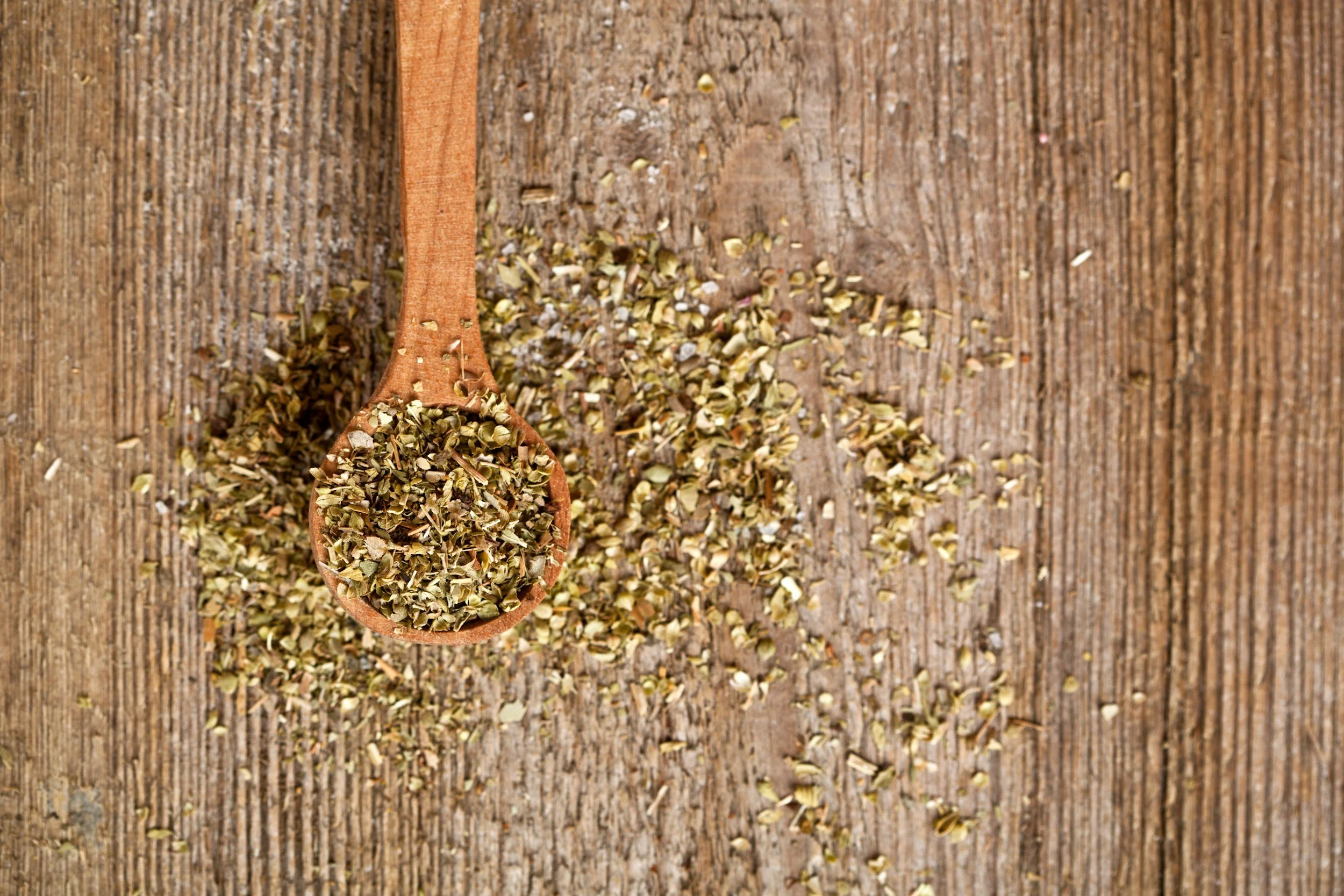
Sprinkle two tablespoons of hemp hearts over your yogurt, oatmeal, or smoothie.
That's approximately 6 additional grams of protein without having to cook anything extra.
Why it matters: Protein helps maintain and repair muscle tissue. As we age, adequate protein combined with resistance training becomes especially important for maintaining muscle and strength.
And no, six grams isn't going to magically transform your muscle mass.
But it's an easy addition that can help you work toward your daily protein needs.
Want to know how much protein you actually need during perimenopause? I break it down in my blog on Why women over 40 need more protein, including why protein becomes increasingly important in midlife.
5. Walk for Five Minutes After Dinner
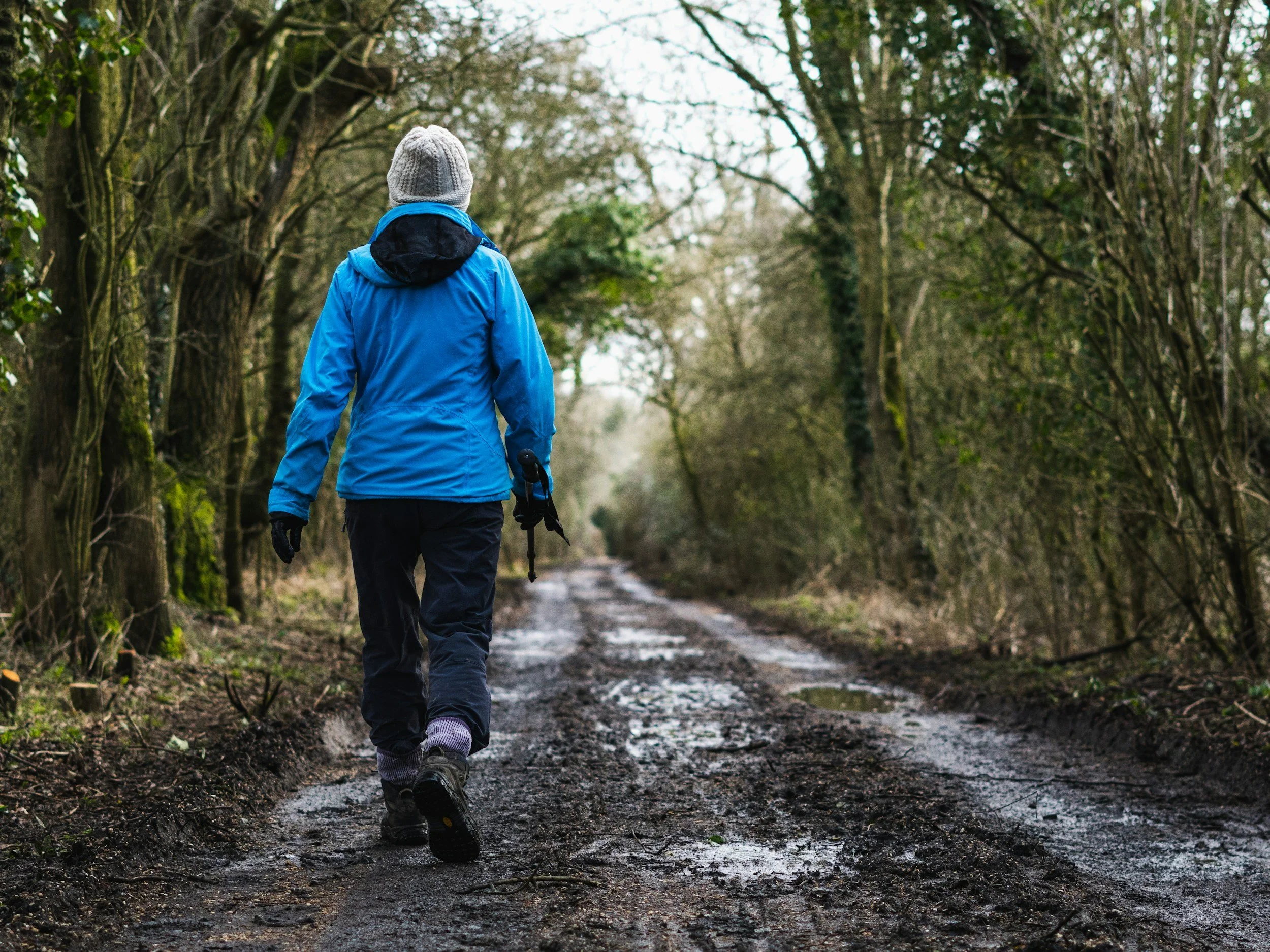
Not 30 minutes. Not 10,000 steps.
Five minutes.
Walk around the block, your driveway, or even your house.
Why it matters: Research suggests that walking after meals can help reduce post-meal blood sugar spikes by encouraging your muscles to use glucose from your bloodstream.
And regular movement supports cardiovascular and metabolic health.
Try this: As soon as dinner is finished, put your shoes on and walk for five minutes.
If you're feeling good and want to keep going, great.
If you're exhausted and five minutes is all you've got, that counts too.
6. Drink a Glass of Water Before Your Morning Coffee
Relax. I'm not suggesting you give up coffee.
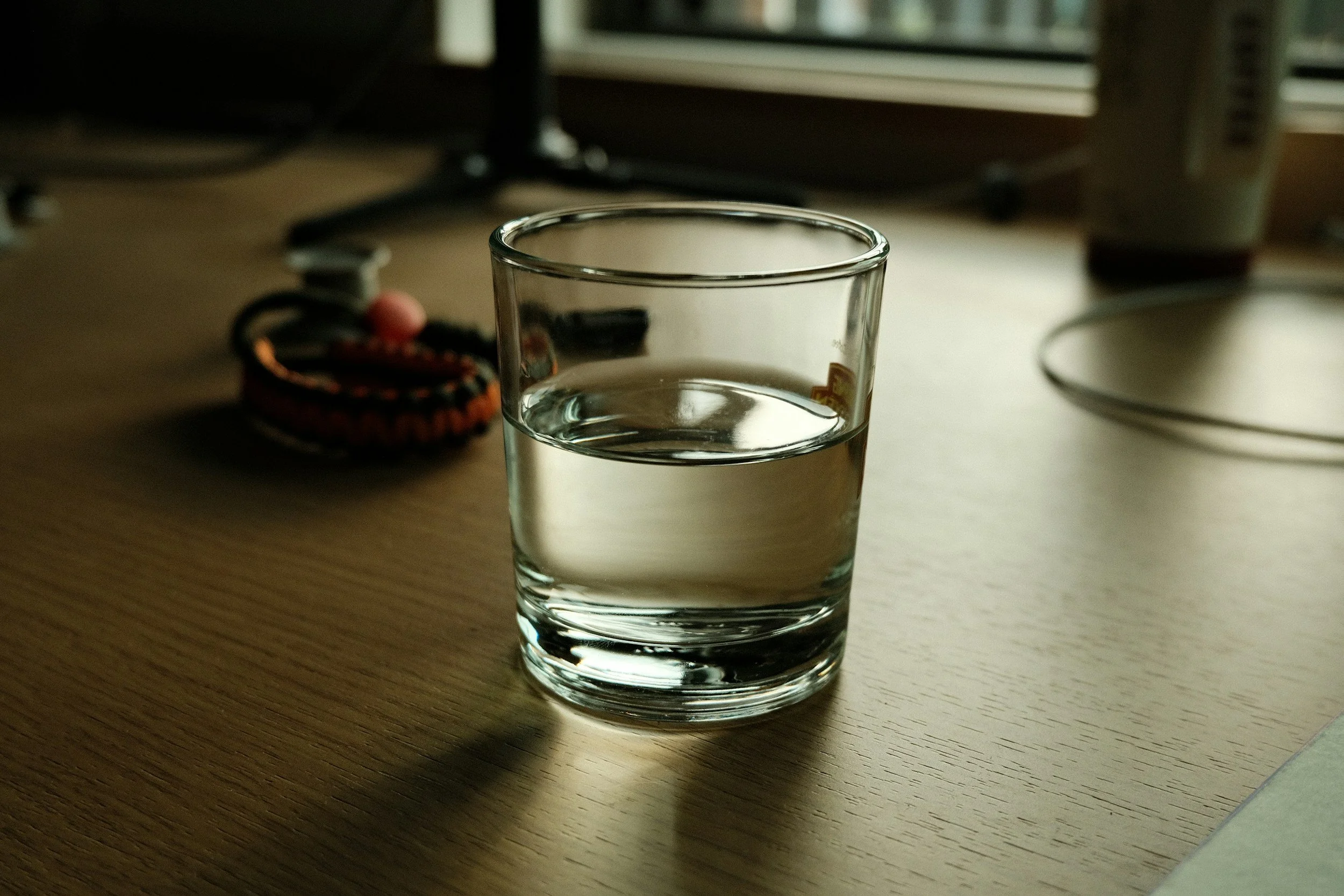
I'm simply suggesting you drink a glass of water before you reach for it.
Why it matters: Staying hydrated supports digestion, temperature regulation, and normal physical and cognitive functioning. Dehydration can also contribute to fatigue and headaches.
And when you're already struggling with brain fog and exhaustion, dehydration is one more thing you don't need.
Try this: Put a glass next to your coffee maker the night before.
That's your reminder. No fancy hydration app required.
7. Practice Balancing While Your Coffee Brews

While you're waiting for your coffee, stand near the kitchen counter and balance on one leg for 15 seconds.
Then switch.
Keep the counter within reach, and skip this if you're feeling dizzy or unsteady.
Why it matters: Balance and lower-body strength become increasingly important with age, particularly when it comes to preventing falls and maintaining independence.
And yet, how often do we actually practice our balance?
Probably not enough.
Try this: Make balancing part of your morning coffee routine. No workout clothes or equipment necessary.
8. Track Your Perimenopause Symptoms for Two Minutes

This might be one of the most valuable habits on the list.
Before bed, open the Notes app on your phone and jot down three things:
How did I sleep?
What symptom bothered me most today?
How much did it affect my day?
That's it.
Why it matters: Perimenopause symptoms can fluctuate, making it difficult to remember patterns or explain what you've been experiencing when you're finally sitting in your healthcare provider's office.
Tracking symptoms can help you recognize changes and have more productive conversations about your health.
And this is something I'm particularly passionate about.
Because understanding what's happening to your body is important, but knowing how to communicate those concerns and advocate for yourself is just as important.
That's exactly why I created my Perimenopause Appointment Toolkit.
It helps you organize your symptoms, identify your biggest concerns, prepare questions, and walk into your next appointment feeling more prepared.
And if you've ever left a doctor's appointment feeling frustrated or unheard, this toolkit is for you.
9. Do Five Sit-to-Stands Before Watching TV

Before you settle onto the couch for the evening, sit in a sturdy chair and stand back up five times.
That's it.
Why it matters: Your leg and hip muscles help you climb stairs, get out of chairs, maintain balance, and stay independent as you age.
Sit-to-stands are a simple functional strength exercise that can help build lower-body strength.
Five repetitions aren't a complete workout, but they can be a starting point.
Try this: Do five repetitions before turning on your favorite show. Use your hands for support if needed.
Here's What I Really Want You to Take Away
If you finish reading this and decide you're going to start all nine habits tomorrow, I want you to reconsider.
Seriously.
Pick ONE.
Choose something that feels so easy you almost can't talk yourself out of it.
Do it consistently. Let it become part of your day. Then, when you're ready, add another.
Because here's what I've learned about taking care of our health in midlife:
It's not always about doing more.
It's about finding ways to do the things that matter, even when life feels overwhelming and your body isn't cooperating.
And while small habits don't replace regular exercise, good nutrition, preventive healthcare, or treatment when you need it, they can make taking care of yourself feel a whole lot more manageable.
You don't need to wait until you're sleeping better, have more energy, or suddenly feel motivated again.
Start with the energy you have today.
Five minutes. One small change. One habit at a time.
Because taking care of your future self shouldn't mean making life harder for your present self.

Hi I’m Dr. Jaime Lynne
A women’s health advocate and educator passionate about helping women navigate the confusing and often overlooked journey of Perimenopause. I empower women to recognize their symptoms, speak up, and get the care they deserve.
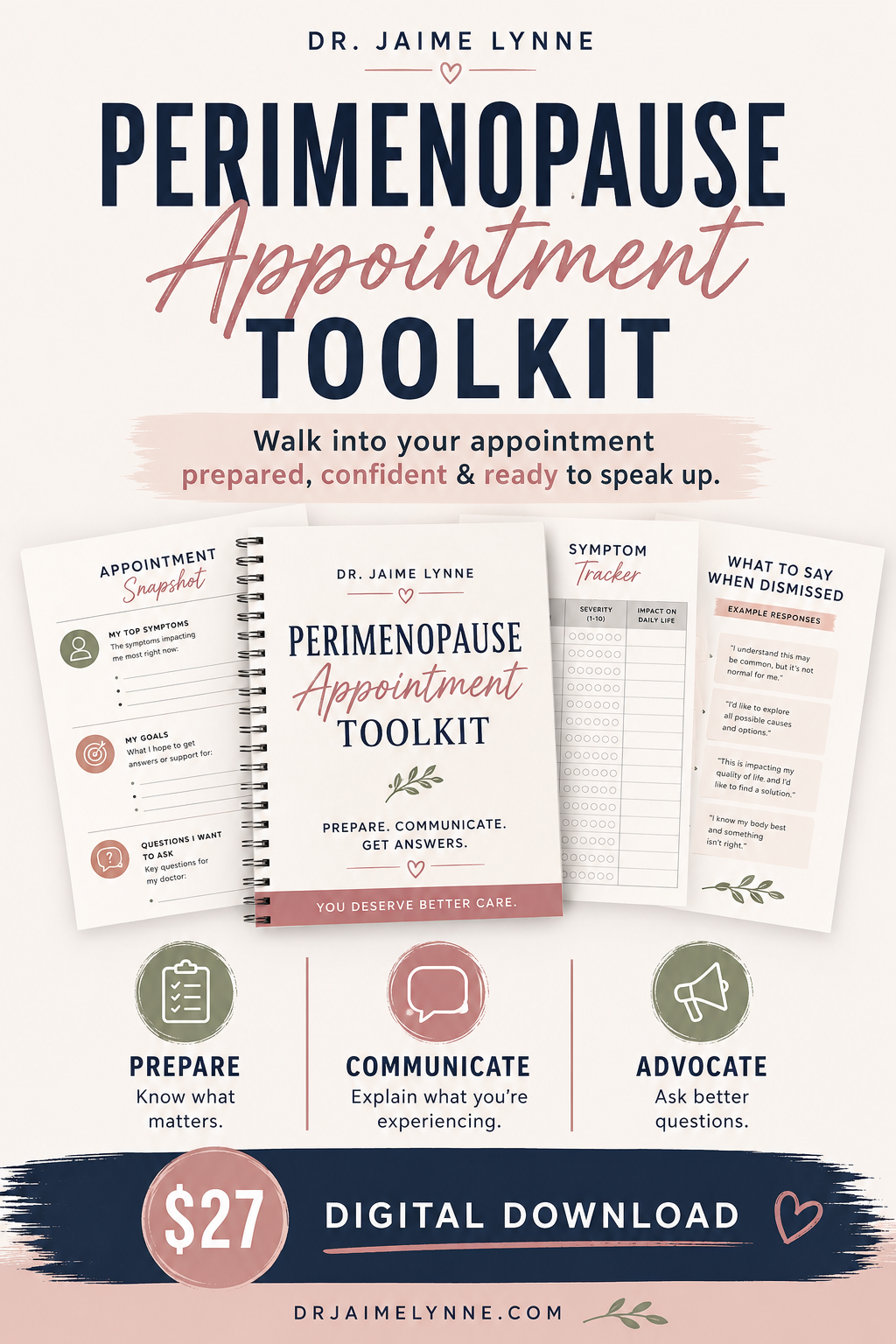
A practical, step-by-step toolkit to help you prepare for your appointment, communicate your symptoms clearly, ask the right questions, and leave feeling heard with a plan for what comes next.